Test, Measurement and Nuclear Instrumentation since 1963....

One mission.

Provide best in class instrumentation, software, and support to a growing list of industrial, research, academic, and defense users. We would be happy to discuss your application today.
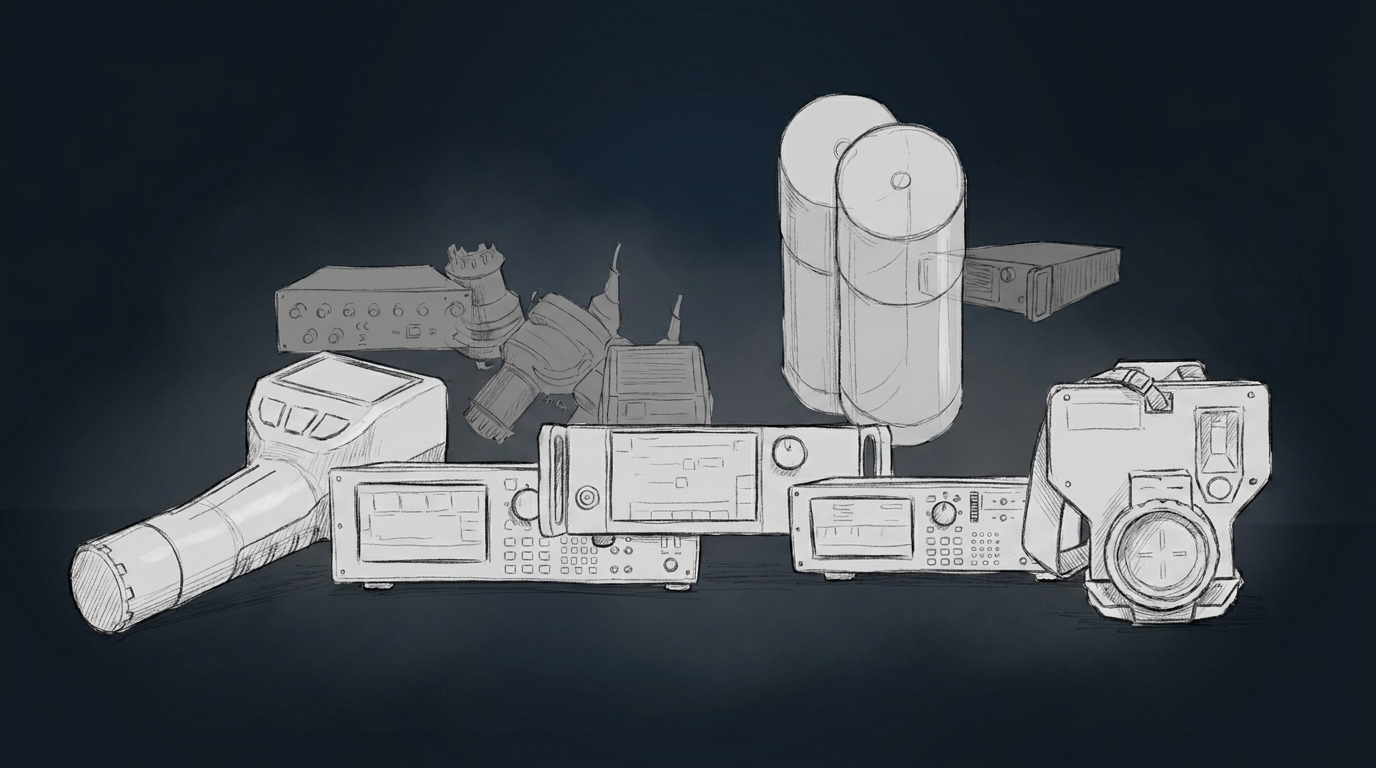
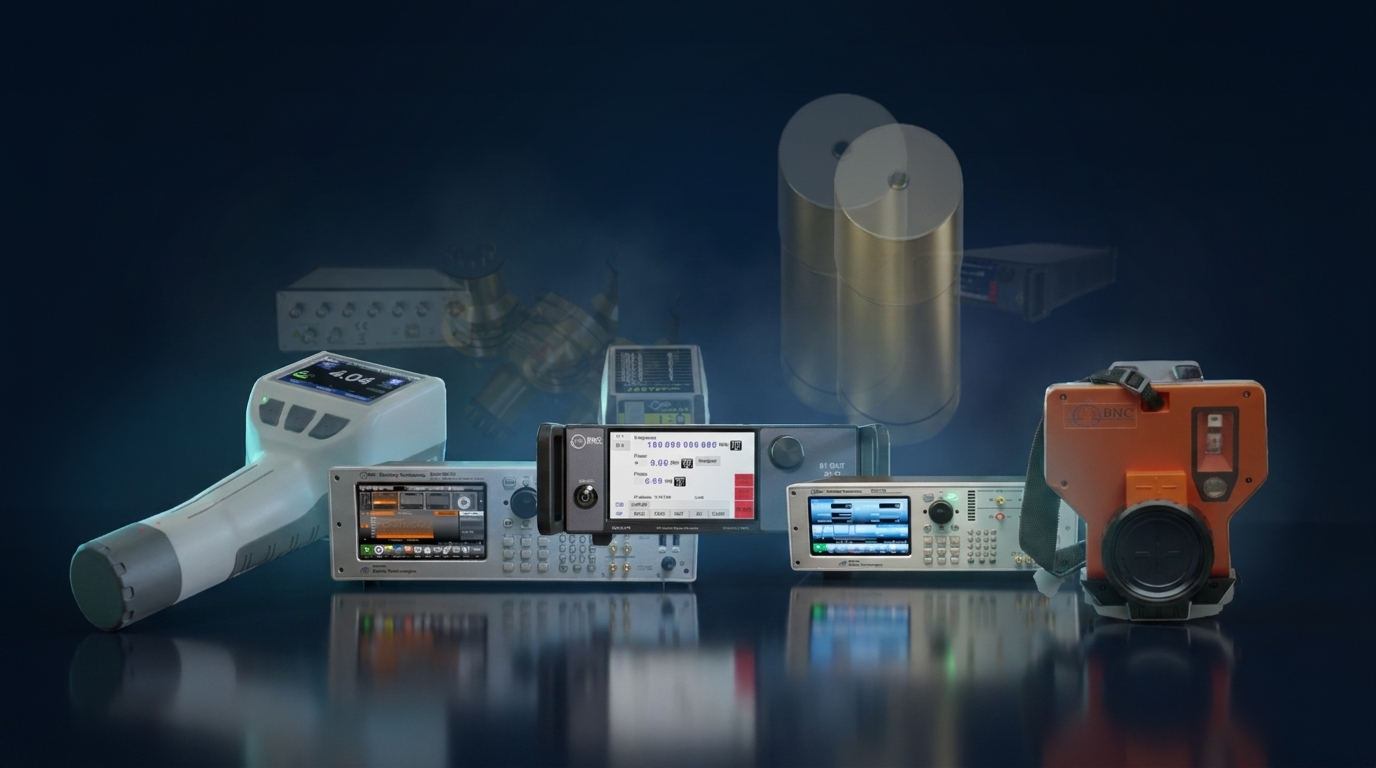
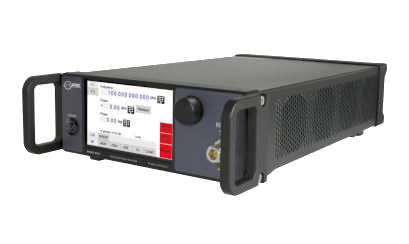
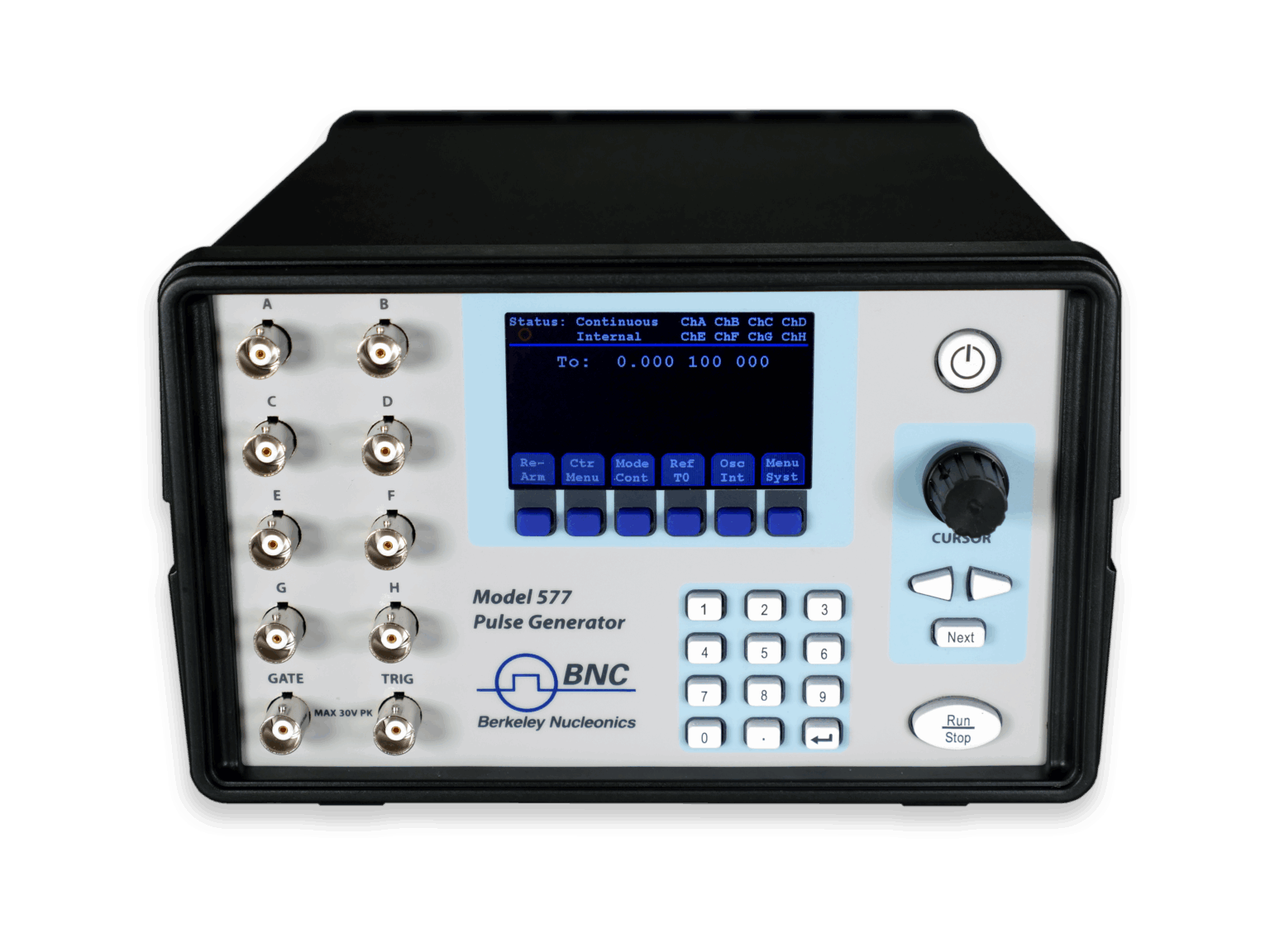
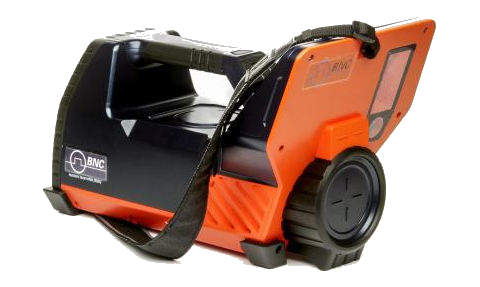
Berkeley Nucleonics instruments: handheld radioisotope identifiers, signal and waveform generators, pulse generators, and scintillation detectors
Since 1963
Built in the USA
8 product lines
One engineering team
DC to 54 GHz
Signal coverage
60+ countries
Local representation
The Portfolio

Eight lines. One standard of precision.

From the waveforms that drive radar and quantum research to the crystals that detect a single gamma ray, every line is engineered to be relied on. Pick the line that matches your problem.

Who We Are

Sixty years of getting the hard measurement right.

The core of the portfolio

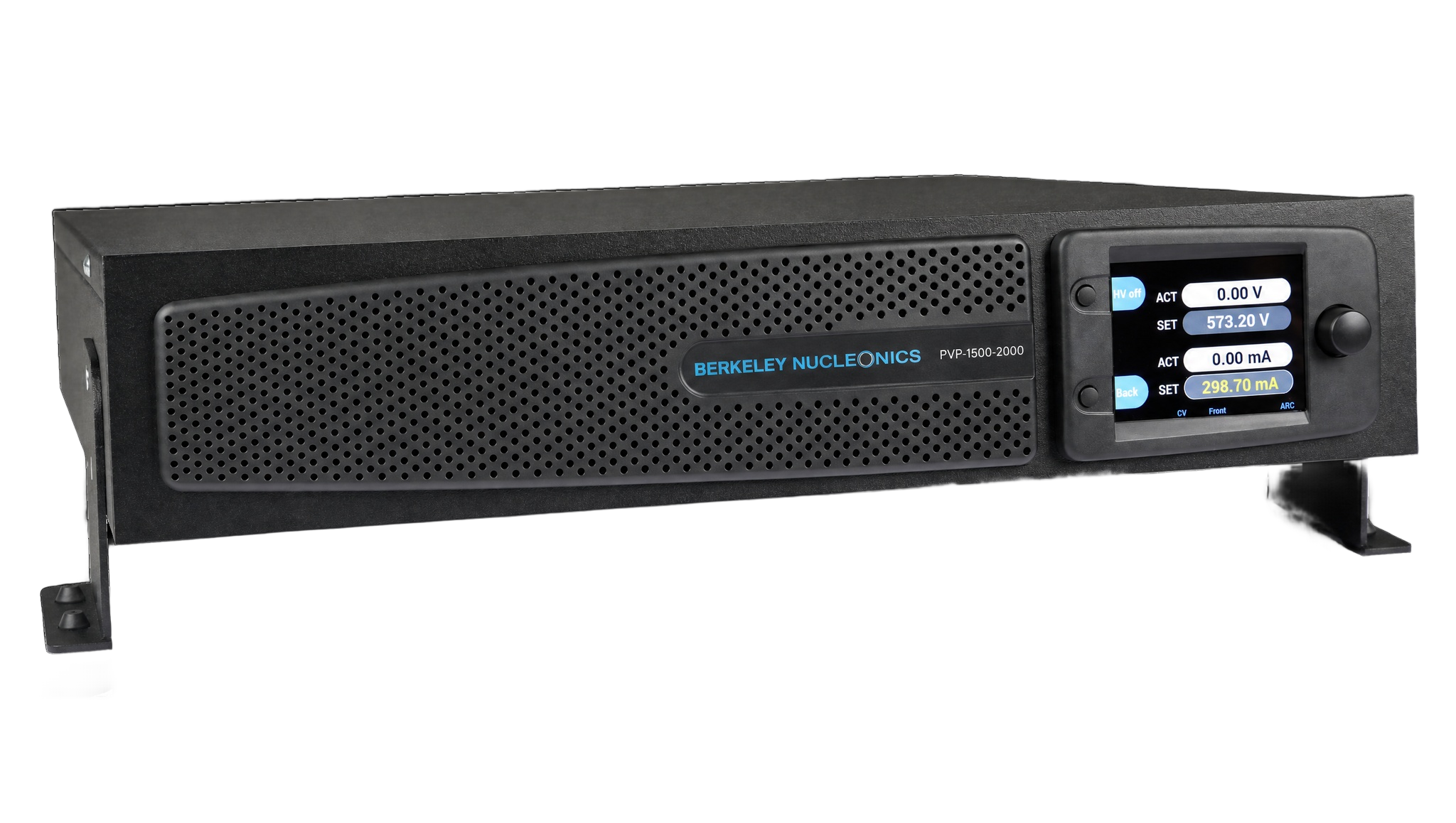
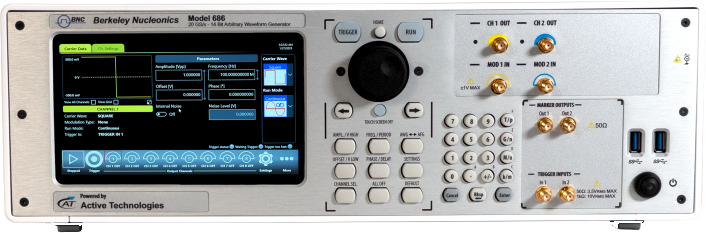
Three lines anchor the portfolio. Our arbitrary waveform generators deliver, with models from 300 MHz to the 2 GHz, 16-bit 20 GS/s performance. Expect the fidelity, low jitter, and deep memory that radar simulation, quantum research, and semiconductor test demand. Our custom scintillation detectors pair the right crystal and electronics in your exact geometry, for spectroscopy, fast timing, and gamma and neutron detection. A family of pulsed power instruments offer bipolar high-voltage pulses to ±10 kV, precision laser diode drivers, and 30kV supplies.

The portfolio runs deeper

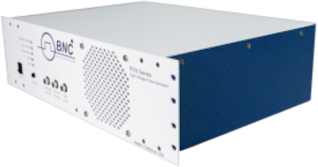
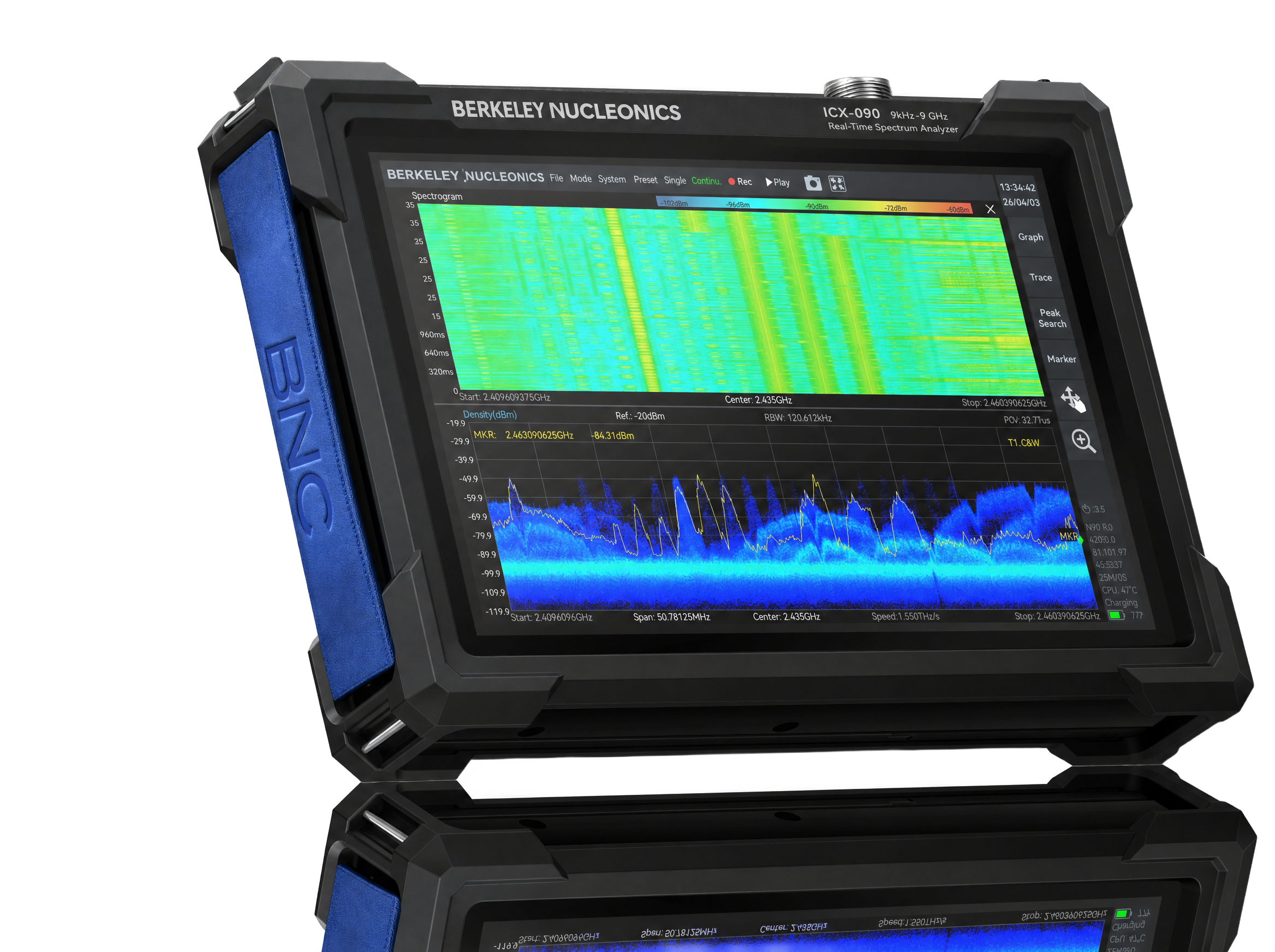
The portfolio runs deeper still. Digital delay and pulse generators resolved to 250 ps. RF and microwave signal generators clean to 54 GHz. Real-time spectrum analyzers and radiation detection systems trusted by first responders, HazMat teams, and laboratories worldwide.

What sets us apart is not one instrument. It is how far every line reaches, and how fast we move when you need us.

The same generator that emulates a radar return can drive qubit control. The same crystal that screens a shipping container serves a physics beamline. Our application engineers are on the phone and on live chat to match the instrument to the problem, and we build custom solutions from TTL timing to full isotope identification programs. One call to San Rafael is usually all it takes to see why the BNC name carries the weight it does.

Talk to an engineer.

Tell us what you are trying to measure, generate, or detect. A BNC application engineer will help you match the instrument to the problem, and build a custom solution if the catalog does not have one.